Chris' Site
Known & Reputed Family History
Person Page 559
Mary Ann Gersback
F, #13951, b. 26 August 1859, d. 16 June 1942
Pedigree Chart.
Family: Joseph William Astill (b. 8 April 1866, d. 1938)
- Charles William Astill+ (b. 26 January 1890, d. 28 February 1942)
History
| Fact | Date | Role | Place |
|---|---|---|---|
| Birth | 26 August 1859 | Orange, New South Wales, AustraliaG | |
| Marriage | 22 February 1889 | St Josephs, Orange, New South Wales, AustraliaG | |
| Death | 16 June 1942 | Canowindra, New South Wales, AustraliaG |
Charles William Astill
M, #13952, b. 26 January 1890, d. 28 February 1942
Pedigree Chart.
Parents
- Father: Joseph William Astill (b. 8 April 1866, d. 1938)
- Mother: Mary Ann Gersback (b. 26 August 1859, d. 16 June 1942)
Family: Pearl Edith Ffitch (b. 16 October 1903, d. 4 December 1987)
- Bernard Patrick Fitch Astill+ (b. 21 March 1931, d. 20 January 1991)
History
| Fact | Date | Role | Place |
|---|---|---|---|
| Birth | 26 January 1890 | Bowen Hill, New South Wales, AustraliaG | |
| Marriage | 24 October 1926 | ||
| Death | 28 February 1942 | Canowindra, New South Wales, AustraliaG |
Pearl Edith Ffitch
F, #13953, b. 16 October 1903, d. 4 December 1987
Pedigree Chart.
Family: Charles William Astill (b. 26 January 1890, d. 28 February 1942)
- Bernard Patrick Fitch Astill+ (b. 21 March 1931, d. 20 January 1991)
History
| Fact | Date | Role | Place |
|---|---|---|---|
| Birth | 16 October 1903 | Launceston, Tasmania, AustraliaG | |
| Marriage | 24 October 1926 | ||
| Death | 4 December 1987 | Melbourne, Victoria, AustraliaG |
Bernard Patrick Fitch Astill
M, #13954, b. 21 March 1931, d. 20 January 1991
Pedigree Chart.
Parents
- Father: Charles William Astill (b. 26 January 1890, d. 28 February 1942)
- Mother: Pearl Edith Ffitch (b. 16 October 1903, d. 4 December 1987)
Family: Dorothy May Bird (b. 9 April 1935, d. 20 October 2014)
History
| Fact | Date | Role | Place |
|---|---|---|---|
| Marriage Status | Divorced | ||
| Birth | 21 March 1931 | Canowindra, New South Wales, AustraliaG | |
| Marriage | 1953 | (New South Wales), (Australia)G | |
| Death | 20 January 1991 | Forbes, New South Wales, AustraliaG |
Dorothy May Bird
F, #13955, b. 9 April 1935, d. 20 October 2014
Pedigree Chart.
Family: Bernard Patrick Fitch Astill (b. 21 March 1931, d. 20 January 1991)
History
| Fact | Date | Role | Place |
|---|---|---|---|
| Marriage Status | Divorced | ||
| Birth | 9 April 1935 | Croydon, Victoria, AustraliaG | |
| Marriage | 1953 | (New South Wales), (Australia)G | |
| Death | 20 October 2014 | Wangaratta, Victoria, AustraliaG |
Private
F, #13956
Pedigree Chart.
Parents
- Father: Bernard Patrick Fitch Astill (b. 21 March 1931, d. 20 January 1991)
- Mother: Dorothy May Bird (b. 9 April 1935, d. 20 October 2014)
Family: Stephen McGill (b. 6 December 1956, d. 17 April 2006)
Stephen McGill
M, #13957, b. 6 December 1956, d. 17 April 2006
Pedigree Chart.
History
| Fact | Date | Role | Place |
|---|---|---|---|
| Birth | 6 December 1956 | Welwyn, Hertfordshire, EnglandG | |
| Death | 17 April 2006 | Beaudesert, Queensland, AustraliaG |
Private
F, #13958
Pedigree Chart.
Parents
- Father: Stephen McGill (b. 6 December 1956, d. 17 April 2006)
- Mother: Private
Susannah ("Hannah") Astill
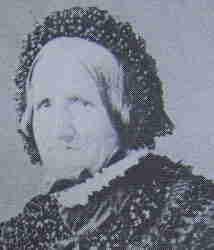
ASTILL_Susannah_photo
F, #13959, b. 16 February 1823, d. 31 October 1904
Pedigree Chart.
Parents
- Father: Thomas Astill (b. 1799, d. 6 June 1854)
- Mother: Mary Anne Steele (b. 2 June 1804, d. 17 November 1876)
Family: Josiah Cantrill (b. 4 April 1817, d. 9 February 1899)
- William Cantrill+ (b. 8 February 1843, d. 18 August 1928)
- Thomas Cantrill (b. 7 December 1846, d. 17 November 1919)
- Mary Jane Cantrill (b. January 1848, d. 21 March 1923)
- Joseph Cantrill (b. 1 April 1850, d. 25 July 1933)
- Frances Cantrill (b. 1853, d. 17 June 1939)
- George Henry Cantrill (b. 16 April 1854, d. 16 June 1925)
- Ellen Cantrill (b. 14 April 1856, d. 16 December 1925)
- John Cantrill (b. 1 December 1858, d. 18 July 1901)
- Anna Cantrill (b. 1 December 1858, d. 9 March 1859)
- Susannah Cantrill+ (b. 1860, d. 18 January 1941)
- Albert Edward Cantrill (b. 20 March 1864, d. 1949)
History
| Fact | Date | Role | Place |
|---|---|---|---|
| Birth | 16 February 1823 | Kirby Muxloe, Leicestershire, EnglandG | |
| Marriage | 18 March 1842 | Derbyshire, EnglandG | |
| Immigration | 19 February 1848 | In 1847 Suzannah Astill and her husband Joseph Cantrill along with their three children and Suzannah’s younger sister Mary Ann left England for Australia on board the “Hyderabad” William Cantrill the son of William and Suzannah wrote of the voyage: I immigrated to Australia with my parents and brother and sister who were born on the voyage when I was five years of age. We boarded the Hydrabad of the East India Company, a vessel of 815 tons under the command of Captain Castle. She carried 270 emigrants and after a six-month voyage, during which we were becalmed for four days, we arrived at Sydney on the 19th February 1848. There was no wharf so we came ashore in a small boat. My mother’s brothers Elias and William Astill who had emigrated a few years before us were in the Western District, so we set out to join them. There were no railways in Australia then so we considered ourselves fortunate in securing the services of a teamster with a three-horse dray to transport us and our personal belongings to the west which was then opening up for settlement. Our first days journey took us to Parramatta where we stayed a few days then continued our long journey along the rough bush road, which crossed the Blue Mountains, winding in and out among the hills, through thickly timbered country in places until we reached Bathurst which was then a small town. We continued on the dray to Guyong where Elias with a dray drawn by four bullocks met us. In this stately fashion we were brought to Blackman’s Swamp, as the site of Orange was then called. Our first home on Australian soil was a slab hut roofed with bark, measuring ten feet by twelve feet situated in the gully on the eastern side of the present Orange Showground. The year we landed was a particularly dry one, the country being in the throes of drought. I often heard my father say that he never wore a coat in the winter of 1848. After a year or so in the country my father considered himself competent enough to carry on farming under Australian conditions, so he rented a piece of land from Mr. Lord on the Ophir road two miles from where Orange now stands. This is now the Blechington Estate. My father cleared this land and ploughed it with an Iron plough the first or one of the first Iron Ploughs in the district. We were living on this land when gold was discovered at Ophir in 1851 and my father fell victim of Gold fever when he heard stories of fabulous wealth being won at Ophir. He and my Uncle William worked all night making a cradle and on the next morning packed it with a few belongings onto a packhorse and set out for the diggings. After about six months or so of more or less mostly less good fortune they returned to the farm. The first threshing machine to be used in the district was built by William Astill, a particularly capable man. Although he never had been taught a trade he was able to turn his hand to anything from making a pair of boots to building any class of machinery. He purchased the old Bullock Works from Mr. Templars Mill and he used horses from the mill to drive his threshing machine. | Sydney, New South Wales, AustraliaG |
| Death | 31 October 1904 | Orange, New South Wales, AustraliaG | |
| Burial | November 1904 | Orange Cemetery, Orange, New South Wales, AustraliaG |
Josiah Cantrill
M, #13960, b. 4 April 1817, d. 9 February 1899
Pedigree Chart.
Family: Susannah ("Hannah") Astill (b. 16 February 1823, d. 31 October 1904)
- William Cantrill+ (b. 8 February 1843, d. 18 August 1928)
- Thomas Cantrill (b. 7 December 1846, d. 17 November 1919)
- Mary Jane Cantrill (b. January 1848, d. 21 March 1923)
- Joseph Cantrill (b. 1 April 1850, d. 25 July 1933)
- Frances Cantrill (b. 1853, d. 17 June 1939)
- George Henry Cantrill (b. 16 April 1854, d. 16 June 1925)
- Ellen Cantrill (b. 14 April 1856, d. 16 December 1925)
- John Cantrill (b. 1 December 1858, d. 18 July 1901)
- Anna Cantrill (b. 1 December 1858, d. 9 March 1859)
- Susannah Cantrill+ (b. 1860, d. 18 January 1941)
- Albert Edward Cantrill (b. 20 March 1864, d. 1949)
History
| Fact | Date | Role | Place |
|---|---|---|---|
| Birth | 4 April 1817 | Smisby, Derbyshire, EnglandG | |
| Marriage | 18 March 1842 | Derbyshire, EnglandG | |
| Immigration | 19 February 1848 | In 1847 Suzannah Astill and her husband Joseph Cantrill along with their three children and Suzannah’s younger sister Mary Ann left England for Australia on board the “Hyderabad” William Cantrill the son of William and Suzannah wrote of the voyage: I immigrated to Australia with my parents and brother and sister who were born on the voyage when I was five years of age. We boarded the Hydrabad of the East India Company, a vessel of 815 tons under the command of Captain Castle. She carried 270 emigrants and after a six-month voyage, during which we were becalmed for four days, we arrived at Sydney on the 19th February 1848. There was no wharf so we came ashore in a small boat. My mother’s brothers Elias and William Astill who had emigrated a few years before us were in the Western District, so we set out to join them. There were no railways in Australia then so we considered ourselves fortunate in securing the services of a teamster with a three-horse dray to transport us and our personal belongings to the west which was then opening up for settlement. Our first days journey took us to Parramatta where we stayed a few days then continued our long journey along the rough bush road, which crossed the Blue Mountains, winding in and out among the hills, through thickly timbered country in places until we reached Bathurst which was then a small town. We continued on the dray to Guyong where Elias with a dray drawn by four bullocks met us. In this stately fashion we were brought to Blackman’s Swamp, as the site of Orange was then called. Our first home on Australian soil was a slab hut roofed with bark, measuring ten feet by twelve feet situated in the gully on the eastern side of the present Orange Showground. The year we landed was a particularly dry one, the country being in the throes of drought. I often heard my father say that he never wore a coat in the winter of 1848. After a year or so in the country my father considered himself competent enough to carry on farming under Australian conditions, so he rented a piece of land from Mr. Lord on the Ophir road two miles from where Orange now stands. This is now the Blechington Estate. My father cleared this land and ploughed it with an Iron plough the first or one of the first Iron Ploughs in the district. We were living on this land when gold was discovered at Ophir in 1851 and my father fell victim of Gold fever when he heard stories of fabulous wealth being won at Ophir. He and my Uncle William worked all night making a cradle and on the next morning packed it with a few belongings onto a packhorse and set out for the diggings. After about six months or so of more or less mostly less good fortune they returned to the farm. The first threshing machine to be used in the district was built by William Astill, a particularly capable man. Although he never had been taught a trade he was able to turn his hand to anything from making a pair of boots to building any class of machinery. He purchased the old Bullock Works from Mr. Templars Mill and he used horses from the mill to drive his threshing machine. | Sydney, New South Wales, AustraliaG |
| Occupation | 1 April 1850 | Labourer | |
| Death | 9 February 1899 | Canobolas, New South Wales, AustraliaG |
William Cantrill
M, #13961, b. 8 February 1843, d. 18 August 1928
Pedigree Chart.
Parents
- Father: Josiah Cantrill (b. 4 April 1817, d. 9 February 1899)
- Mother: Susannah ("Hannah") Astill (b. 16 February 1823, d. 31 October 1904)
Family: Angelina Burridge (b. 10 March 1848, d. 29 October 1931)
- Joseph Thomas Cantrill+ (b. 27 February 1870, d. 6 September 1942)
History
| Fact | Date | Role | Place |
|---|---|---|---|
| Birth | 8 February 1843 | Smisby, Derbyshire, EnglandG | |
| Immigration | 19 February 1848 | In 1847 Suzannah Astill and her husband Joseph Cantrill along with their three children and Suzannah’s younger sister Mary Ann left England for Australia on board the “Hyderabad” William Cantrill the son of William and Suzannah wrote of the voyage: I immigrated to Australia with my parents and brother and sister who were born on the voyage when I was five years of age. We boarded the Hydrabad of the East India Company, a vessel of 815 tons under the command of Captain Castle. She carried 270 emigrants and after a six-month voyage, during which we were becalmed for four days, we arrived at Sydney on the 19th February 1848. There was no wharf so we came ashore in a small boat. My mother’s brothers Elias and William Astill who had emigrated a few years before us were in the Western District, so we set out to join them. There were no railways in Australia then so we considered ourselves fortunate in securing the services of a teamster with a three-horse dray to transport us and our personal belongings to the west which was then opening up for settlement. Our first days journey took us to Parramatta where we stayed a few days then continued our long journey along the rough bush road, which crossed the Blue Mountains, winding in and out among the hills, through thickly timbered country in places until we reached Bathurst which was then a small town. We continued on the dray to Guyong where Elias with a dray drawn by four bullocks met us. In this stately fashion we were brought to Blackman’s Swamp, as the site of Orange was then called. Our first home on Australian soil was a slab hut roofed with bark, measuring ten feet by twelve feet situated in the gully on the eastern side of the present Orange Showground. The year we landed was a particularly dry one, the country being in the throes of drought. I often heard my father say that he never wore a coat in the winter of 1848. After a year or so in the country my father considered himself competent enough to carry on farming under Australian conditions, so he rented a piece of land from Mr. Lord on the Ophir road two miles from where Orange now stands. This is now the Blechington Estate. My father cleared this land and ploughed it with an Iron plough the first or one of the first Iron Ploughs in the district. We were living on this land when gold was discovered at Ophir in 1851 and my father fell victim of Gold fever when he heard stories of fabulous wealth being won at Ophir. He and my Uncle William worked all night making a cradle and on the next morning packed it with a few belongings onto a packhorse and set out for the diggings. After about six months or so of more or less mostly less good fortune they returned to the farm. The first threshing machine to be used in the district was built by William Astill, a particularly capable man. Although he never had been taught a trade he was able to turn his hand to anything from making a pair of boots to building any class of machinery. He purchased the old Bullock Works from Mr. Templars Mill and he used horses from the mill to drive his threshing machine. | Sydney, New South Wales, AustraliaG |
| Marriage | 1866 | New South Wales, AustraliaG | |
| Death | 18 August 1928 | (Orange), (New South Wales), (Australia)G | |
| Burial | 19 August 1928 | Orange Cemetery, Orange, New South Wales, AustraliaG |
Thomas Cantrill
M, #13962, b. 7 December 1846, d. 17 November 1919
Pedigree Chart.
Parents
- Father: Josiah Cantrill (b. 4 April 1817, d. 9 February 1899)
- Mother: Susannah ("Hannah") Astill (b. 16 February 1823, d. 31 October 1904)
Family: Bridget Theresa Cullen (b. 1850, d. 1932)
History
| Fact | Date | Role | Place |
|---|---|---|---|
| Birth | 7 December 1846 | Smisby, Derbyshire, EnglandG | |
| Immigration | 19 February 1848 | In 1847 Suzannah Astill and her husband Joseph Cantrill along with their three children and Suzannah’s younger sister Mary Ann left England for Australia on board the “Hyderabad” William Cantrill the son of William and Suzannah wrote of the voyage: I immigrated to Australia with my parents and brother and sister who were born on the voyage when I was five years of age. We boarded the Hydrabad of the East India Company, a vessel of 815 tons under the command of Captain Castle. She carried 270 emigrants and after a six-month voyage, during which we were becalmed for four days, we arrived at Sydney on the 19th February 1848. There was no wharf so we came ashore in a small boat. My mother’s brothers Elias and William Astill who had emigrated a few years before us were in the Western District, so we set out to join them. There were no railways in Australia then so we considered ourselves fortunate in securing the services of a teamster with a three-horse dray to transport us and our personal belongings to the west which was then opening up for settlement. Our first days journey took us to Parramatta where we stayed a few days then continued our long journey along the rough bush road, which crossed the Blue Mountains, winding in and out among the hills, through thickly timbered country in places until we reached Bathurst which was then a small town. We continued on the dray to Guyong where Elias with a dray drawn by four bullocks met us. In this stately fashion we were brought to Blackman’s Swamp, as the site of Orange was then called. Our first home on Australian soil was a slab hut roofed with bark, measuring ten feet by twelve feet situated in the gully on the eastern side of the present Orange Showground. The year we landed was a particularly dry one, the country being in the throes of drought. I often heard my father say that he never wore a coat in the winter of 1848. After a year or so in the country my father considered himself competent enough to carry on farming under Australian conditions, so he rented a piece of land from Mr. Lord on the Ophir road two miles from where Orange now stands. This is now the Blechington Estate. My father cleared this land and ploughed it with an Iron plough the first or one of the first Iron Ploughs in the district. We were living on this land when gold was discovered at Ophir in 1851 and my father fell victim of Gold fever when he heard stories of fabulous wealth being won at Ophir. He and my Uncle William worked all night making a cradle and on the next morning packed it with a few belongings onto a packhorse and set out for the diggings. After about six months or so of more or less mostly less good fortune they returned to the farm. The first threshing machine to be used in the district was built by William Astill, a particularly capable man. Although he never had been taught a trade he was able to turn his hand to anything from making a pair of boots to building any class of machinery. He purchased the old Bullock Works from Mr. Templars Mill and he used horses from the mill to drive his threshing machine. | Sydney, New South Wales, AustraliaG |
| Marriage | 9 August 1870 | Wellington, New South Wales, AustraliaG | |
| Death | 17 November 1919 | Dubbo, New South Wales, AustraliaG |
Mary Jane Cantrill
F, #13963, b. January 1848, d. 21 March 1923
Pedigree Chart.
Parents
- Father: Josiah Cantrill (b. 4 April 1817, d. 9 February 1899)
- Mother: Susannah ("Hannah") Astill (b. 16 February 1823, d. 31 October 1904)
Family 1: William John Pulley (b. 1842, d. 1868)
Family 2: George Caldwell (b. 1845, d. before 1945)
History
| Fact | Date | Role | Place |
|---|---|---|---|
| Birth | January 1848 | At SeaG | |
| Immigration | 19 February 1848 | In 1847 Suzannah Astill and her husband Joseph Cantrill along with their three children and Suzannah’s younger sister Mary Ann left England for Australia on board the “Hyderabad” William Cantrill the son of William and Suzannah wrote of the voyage: I immigrated to Australia with my parents and brother and sister who were born on the voyage when I was five years of age. We boarded the Hydrabad of the East India Company, a vessel of 815 tons under the command of Captain Castle. She carried 270 emigrants and after a six-month voyage, during which we were becalmed for four days, we arrived at Sydney on the 19th February 1848. There was no wharf so we came ashore in a small boat. My mother’s brothers Elias and William Astill who had emigrated a few years before us were in the Western District, so we set out to join them. There were no railways in Australia then so we considered ourselves fortunate in securing the services of a teamster with a three-horse dray to transport us and our personal belongings to the west which was then opening up for settlement. Our first days journey took us to Parramatta where we stayed a few days then continued our long journey along the rough bush road, which crossed the Blue Mountains, winding in and out among the hills, through thickly timbered country in places until we reached Bathurst which was then a small town. We continued on the dray to Guyong where Elias with a dray drawn by four bullocks met us. In this stately fashion we were brought to Blackman’s Swamp, as the site of Orange was then called. Our first home on Australian soil was a slab hut roofed with bark, measuring ten feet by twelve feet situated in the gully on the eastern side of the present Orange Showground. The year we landed was a particularly dry one, the country being in the throes of drought. I often heard my father say that he never wore a coat in the winter of 1848. After a year or so in the country my father considered himself competent enough to carry on farming under Australian conditions, so he rented a piece of land from Mr. Lord on the Ophir road two miles from where Orange now stands. This is now the Blechington Estate. My father cleared this land and ploughed it with an Iron plough the first or one of the first Iron Ploughs in the district. We were living on this land when gold was discovered at Ophir in 1851 and my father fell victim of Gold fever when he heard stories of fabulous wealth being won at Ophir. He and my Uncle William worked all night making a cradle and on the next morning packed it with a few belongings onto a packhorse and set out for the diggings. After about six months or so of more or less mostly less good fortune they returned to the farm. The first threshing machine to be used in the district was built by William Astill, a particularly capable man. Although he never had been taught a trade he was able to turn his hand to anything from making a pair of boots to building any class of machinery. He purchased the old Bullock Works from Mr. Templars Mill and he used horses from the mill to drive his threshing machine. | Sydney, New South Wales, AustraliaG |
| Marriage | 1866 | Orange, New South Wales, AustraliaG | |
| Marriage | 1879 | New South Wales, AustraliaG | |
| Death | 21 March 1923 | Molong, New South Wales, AustraliaG |
Joseph Cantrill
M, #13964, b. 1 April 1850, d. 25 July 1933
Pedigree Chart.
Parents
- Father: Josiah Cantrill (b. 4 April 1817, d. 9 February 1899)
- Mother: Susannah ("Hannah") Astill (b. 16 February 1823, d. 31 October 1904)
Family: Sarah Ann Richards (b. 1858, d. 1933)
History
| Fact | Date | Role | Place |
|---|---|---|---|
| Birth | 1 April 1850 | Orange, New South Wales, AustraliaG | |
| Baptism | 9 June 1850 | Carcoar, New South Wales, AustraliaG | |
| Marriage | 15 June 1878 | Brewarrina, New South Wales, AustraliaG | |
| Death | 25 July 1933 | Strathfield, Sydney, New South Wales, AustraliaG |
Frances Cantrill
F, #13965, b. 1853, d. 17 June 1939
Pedigree Chart.
Parents
- Father: Josiah Cantrill (b. 4 April 1817, d. 9 February 1899)
- Mother: Susannah ("Hannah") Astill (b. 16 February 1823, d. 31 October 1904)
Family 1: James Caldwell (b. 1840, d. 1906)
Family 2: William Johnson (b. 1856, d. 1936)
History
| Fact | Date | Role | Place |
|---|---|---|---|
| Birth | 1853 | Orange, New South Wales, AustraliaG | |
| Marriage | 1871 | Newcastle, New South Wales, AustraliaG | |
| Marriage | 1889 | Molong, New South Wales, AustraliaG | |
| Death | 17 June 1939 | New South Wales, AustraliaG | |
| Burial | 18 June 1939 | Cumnock Cemetery, New South Wales, AustraliaG+ |
George Henry Cantrill
M, #13966, b. 16 April 1854, d. 16 June 1925
Pedigree Chart.
Parents
- Father: Josiah Cantrill (b. 4 April 1817, d. 9 February 1899)
- Mother: Susannah ("Hannah") Astill (b. 16 February 1823, d. 31 October 1904)
Family: Margaret A Miller (b. 1860, d. 1942)
History
| Fact | Date | Role | Place |
|---|---|---|---|
| Birth | 16 April 1854 | Black Swamp, New South Wales, AustraliaG | |
| Marriage | 1884 | Dubbo, New South Wales, AustraliaG | |
| Death | 16 June 1925 | Orange, New South Wales, AustraliaG | |
| Burial | 17 June 1925 | Orange Cemetery, Orange, New South Wales, AustraliaG |
Ellen Cantrill
F, #13967, b. 14 April 1856, d. 16 December 1925
Pedigree Chart.
Parents
- Father: Josiah Cantrill (b. 4 April 1817, d. 9 February 1899)
- Mother: Susannah ("Hannah") Astill (b. 16 February 1823, d. 31 October 1904)
Family: John Miller (b. 1851, d. 1941)
History
| Fact | Date | Role | Place |
|---|---|---|---|
| Birth | 14 April 1856 | Orange, New South Wales, AustraliaG | |
| Marriage | 1878 | Orange, New South Wales, AustraliaG | |
| Death | 16 December 1925 | Orange, New South Wales, AustraliaG |
John Cantrill
M, #13968, b. 1 December 1858, d. 18 July 1901
Pedigree Chart.
Parents
- Father: Josiah Cantrill (b. 4 April 1817, d. 9 February 1899)
- Mother: Susannah ("Hannah") Astill (b. 16 February 1823, d. 31 October 1904)
Family: Eleanor Shaw (b. 1857, d. 1920)
History
| Fact | Date | Role | Place |
|---|---|---|---|
| Burial | Orange Cemetery, Orange, New South Wales, AustraliaG | ||
| Birth | 1 December 1858 | Orange, New South Wales, AustraliaG | |
| Marriage | 1879 | Parramatta, New South Wales, AustraliaG | |
| Death | 18 July 1901 | Orange, New South Wales, AustraliaG |
Anna Cantrill
F, #13969, b. 1 December 1858, d. 9 March 1859
Pedigree Chart.
Parents
- Father: Josiah Cantrill (b. 4 April 1817, d. 9 February 1899)
- Mother: Susannah ("Hannah") Astill (b. 16 February 1823, d. 31 October 1904)
History
| Fact | Date | Role | Place |
|---|---|---|---|
| Birth | 1 December 1858 | Orange, New South Wales, AustraliaG | |
| Death | 9 March 1859 | Orange, New South Wales, AustraliaG |
Susannah Cantrill
F, #13970, b. 1860, d. 18 January 1941
Pedigree Chart.
Parents
- Father: Josiah Cantrill (b. 4 April 1817, d. 9 February 1899)
- Mother: Susannah ("Hannah") Astill (b. 16 February 1823, d. 31 October 1904)
Family: Robert Miller (b. 10 April 1857, d. 7 February 1945)
- Alice Maud Miller (b. 11 March 1881, d. 24 July 1945)
- Frances Ethel Miller (b. 12 August 1882, d. 26 July 1960)
- Theodore Josiah Miller (b. 20 August 1884, d. 24 November 1963)
- Susannah Martha Miller (b. 1887, d. 1980)
- Lillian Gertrude Miller (b. 8 April 1888, d. 16 December 1975)
- Ellen M Miller (b. 1891, d. 1892)
- Robert R Miller (b. 1891, d. 1892)
- Mary B Miller (b. 1895, d. 1896)
- Robert Richmond Miller (b. 23 February 1897, d. 24 January 1974)
- Naomie Miller (b. 28 April 1899, d. 2 December 1988)
History
| Fact | Date | Role | Place |
|---|---|---|---|
| Birth | 1860 | Orange, New South Wales, AustraliaG | |
| Marriage | 1880 | Orange, New South Wales, AustraliaG | |
| Death | 18 January 1941 | Wellington, New South Wales, AustraliaG |
Albert Edward Cantrill
M, #13971, b. 20 March 1864, d. 1949
Pedigree Chart.
Parents
- Father: Josiah Cantrill (b. 4 April 1817, d. 9 February 1899)
- Mother: Susannah ("Hannah") Astill (b. 16 February 1823, d. 31 October 1904)
Family: Louisa Jane Moaer (b. 1865, d. 1959)
History
| Fact | Date | Role | Place |
|---|---|---|---|
| Death | Orange Cemetery, Orange, New South Wales, AustraliaG | ||
| Birth | 20 March 1864 | Black Swamp, New South Wales, AustraliaG | |
| Marriage | 1885 | Orange, New South Wales, AustraliaG | |
| Death | 1949 | Orange, New South Wales, AustraliaG |
Jane Astill
F, #13972, b. 24 April 1825, d. 17 January 1909
Pedigree Chart.
Parents
- Father: Thomas Astill (b. 1799, d. 6 June 1854)
- Mother: Mary Anne Steele (b. 2 June 1804, d. 17 November 1876)
Family: Samuel May (b. 1822, d. 2 December 1891)
- Charles May (b. 1840, d. 4 August 1917)
- Joseph May (b. 1842, d. 27 July 1897)
- Mary Ann May (b. 12 August 1844, d. 19 December 1895)
- John May (b. 1846, d. 25 October 1920)
- Thomas May (b. 1850, d. 26 August 1861)
- Ann May (b. February 1851, d. 3 June 1851)
- William May (b. 1853, d. 1854)
- Sarah May (b. 1854, d. 1 February 1875)
History
| Fact | Date | Role | Place |
|---|---|---|---|
| Birth | 24 April 1825 | Kirby Muxloe, Leicestershire, EnglandG | |
| Baptism | 24 April 1825 | Kirby Muxloe, Leicestershire, EnglandG | |
| Marriage | 24 October 1841 | Kirby Muxloe, Leicestershire, EnglandG | |
| Immigration | Estimated 1854 | ||
| Death | 17 January 1909 | Orange, New South Wales, AustraliaG |
Samuel May
M, #13973, b. 1822, d. 2 December 1891
Pedigree Chart.
Family: Jane Astill (b. 24 April 1825, d. 17 January 1909)
- Charles May (b. 1840, d. 4 August 1917)
- Joseph May (b. 1842, d. 27 July 1897)
- Mary Ann May (b. 12 August 1844, d. 19 December 1895)
- John May (b. 1846, d. 25 October 1920)
- Thomas May (b. 1850, d. 26 August 1861)
- Ann May (b. February 1851, d. 3 June 1851)
- William May (b. 1853, d. 1854)
- Sarah May (b. 1854, d. 1 February 1875)
History
| Fact | Date | Role | Place |
|---|---|---|---|
| Birth | 1822 | Stapleton, Leicestershire, EnglandG | |
| Marriage | 24 October 1841 | Kirby Muxloe, Leicestershire, EnglandG | |
| Immigration | Estimated 1854 | ||
| Death | 2 December 1891 | Dubbo, New South Wales, AustraliaG |
Charles May
M, #13974, b. 1840, d. 4 August 1917
Pedigree Chart.
Parents
- Father: Samuel May (b. 1822, d. 2 December 1891)
- Mother: Jane Astill (b. 24 April 1825, d. 17 January 1909)
History
| Fact | Date | Role | Place |
|---|---|---|---|
| Birth | 1840 | Kirby Muxloe, Leicestershire, EnglandG | |
| Immigration | Estimated 1854 | ||
| Death | 4 August 1917 | Wellington, New South Wales, AustraliaG |
Joseph May
M, #13975, b. 1842, d. 27 July 1897
Pedigree Chart.
Parents
- Father: Samuel May (b. 1822, d. 2 December 1891)
- Mother: Jane Astill (b. 24 April 1825, d. 17 January 1909)
History
| Fact | Date | Role | Place |
|---|---|---|---|
| Birth | 1842 | Kirby Muxloe, Leicestershire, EnglandG | |
| Immigration | Estimated 1854 | ||
| Death | 27 July 1897 | Dubbo, New South Wales, AustraliaG |